
Residential Apartment Block – Planned Preventative Maintenance Programme
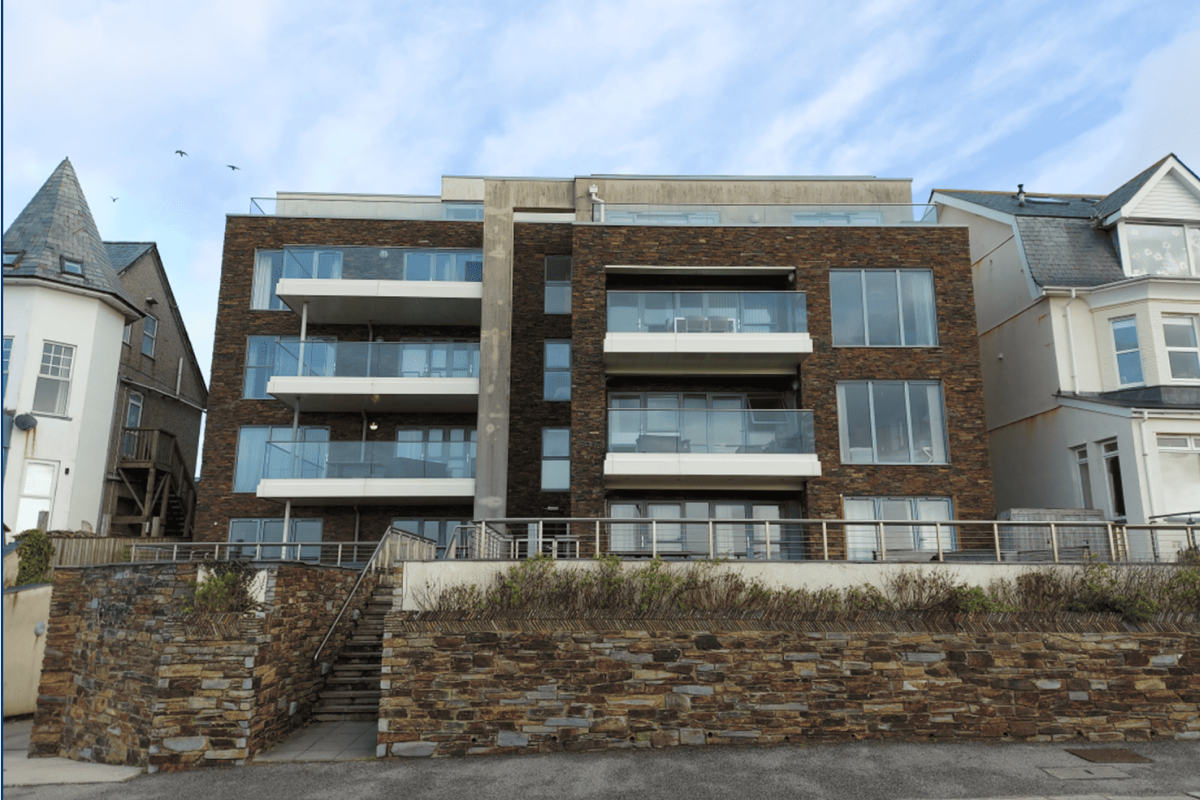
Planned preventative maintenance schedule and condition survey for a residential block of 14 apartments, including identification of roof defects and maintenance priorities.
Location:
Newquay, Cornwall
Sector:
Client:
Private commercial client
Role:
Contract Administration,Cost Management,Principal Designer (CDM 2015),Project Management
Value:
£150,000
CLIENT BRIEF
RTP Surveyors were instructed to prepare a Planned Preventative Maintenance (PPM) schedule over a 10-year budgetary period for a residential block comprising 14 apartments. The commission included a full condition survey to assess the current state of the building fabric and establish a structured programme of maintenance works, including associated cost planning.
KEY CONSIDERATIONS
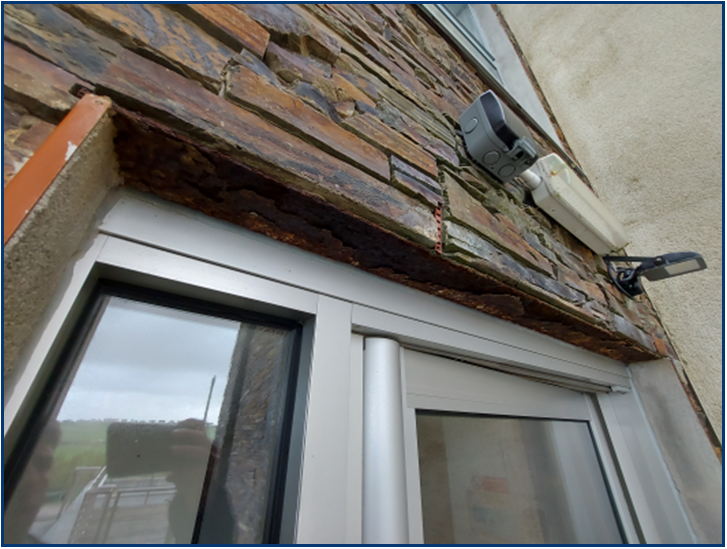
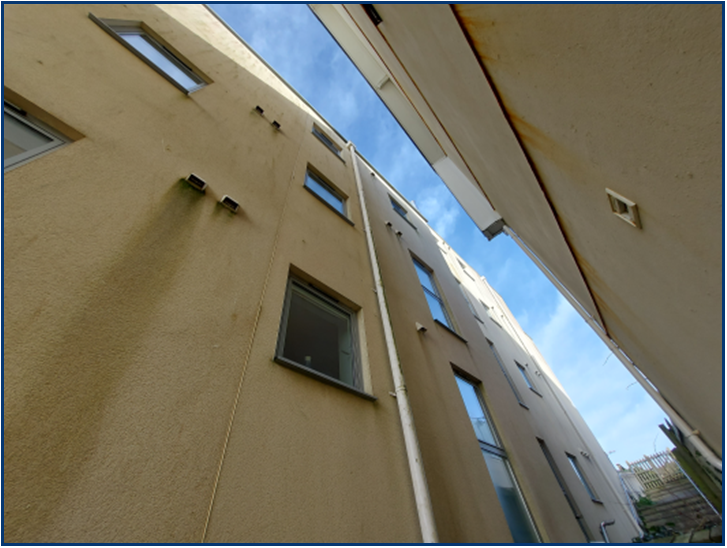
The condition survey identified a number of defects within the building envelope, including a defective single-ply roof membrane over the penthouse apartment and additional roof coverings approaching the end of their serviceable life.
Maintenance requirements were assessed and categorised across short, medium and long-term timeframes, with associated budgetary costings to support client financial planning.
Following initial findings, further investigative works were undertaken during subsequent stages to determine the source of water ingress, which was identified within a balcony roof covering.
The findings reinforced the importance of early identification of fabric deterioration within planned maintenance frameworks to reduce the risk of reactive repair strategies and associated cost escalation.
OUTCOME
Following receipt of the PPM report, the client instructed RTP Surveyors to progress short-term remedial works identified within the schedule. RTP Surveyors acted as Principal Designer and prepared a tender package for the works.
The works were procured via a single-stage tender process and subsequently awarded to a suitably qualified contractor. The project was delivered under a JCT Minor Works contract.
The proactive identification of defects enabled early intervention and supported a more structured approach to ongoing building maintenance.