
Grade II Listed Building – Planned Preventative Maintenance Programme
Condition survey and 10-year planned preventative maintenance programme for a Grade II Listed residential building subdivided into apartments.
Location:
Falmouth, Cornwall
Sector:
Client:
Private management company
Role:
Cost Management
Value:
£205,000
CLIENT BRIEF
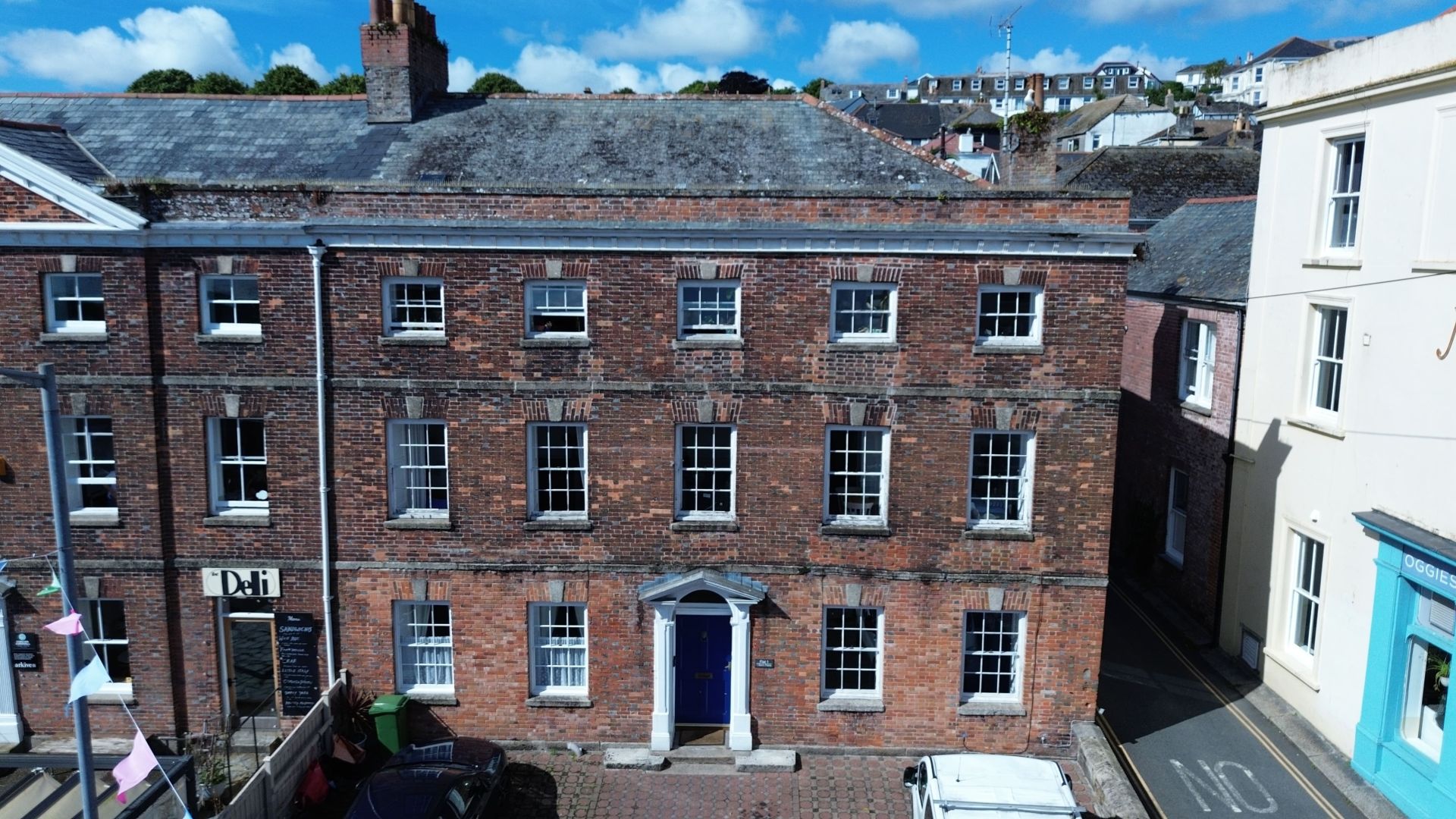
RTP Surveyors were instructed to assess the long-term maintenance requirements of the freehold envelope of a Grade II Listed property in Falmouth. The building is subdivided into six residential apartments. The commission required the preparation of a 10-year planned preventative maintenance (PPM) programme, supported by a detailed condition survey, to establish anticipated maintenance expenditure and inform future budgeting.
KEY CONSIDERATIONS
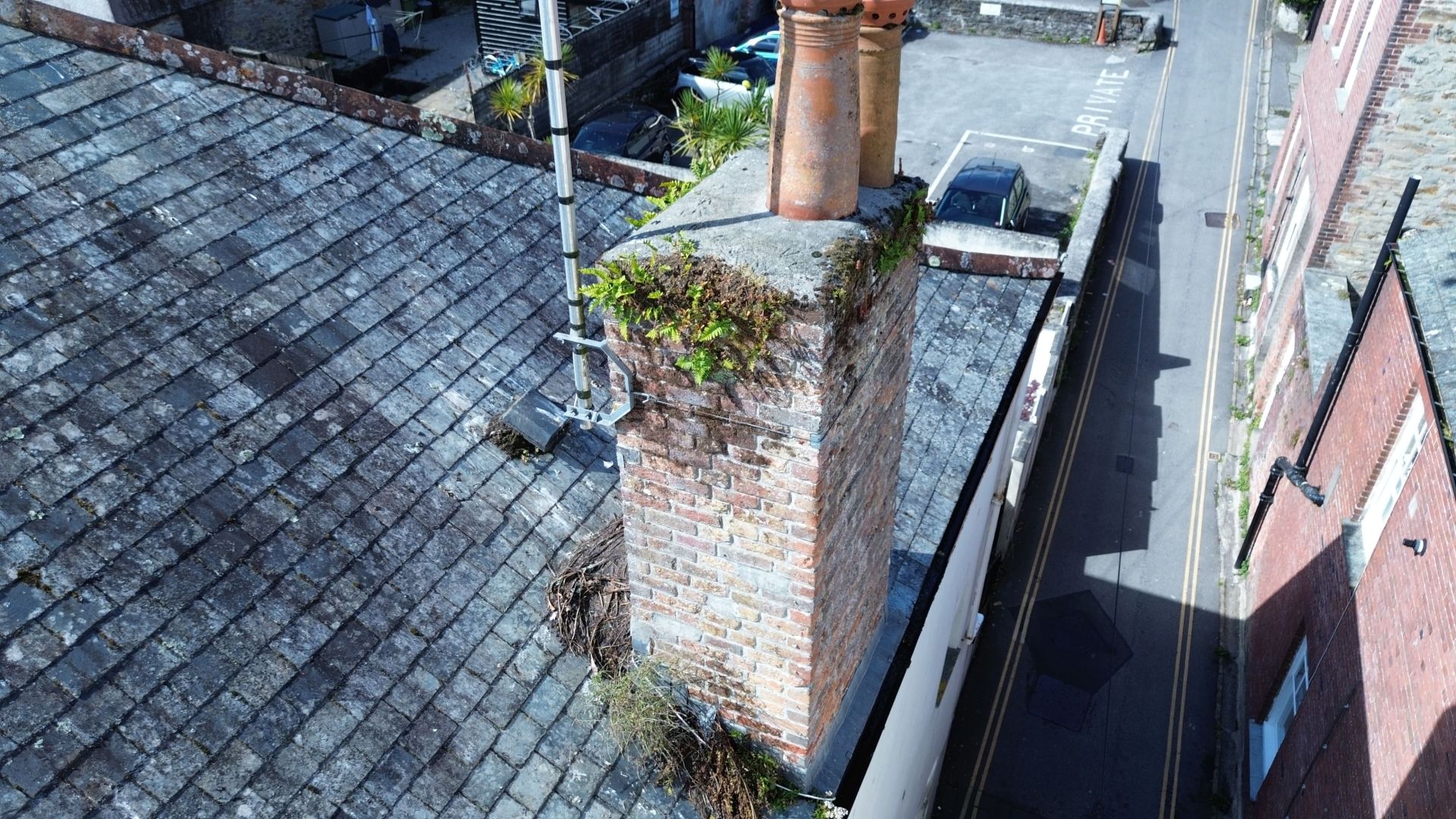
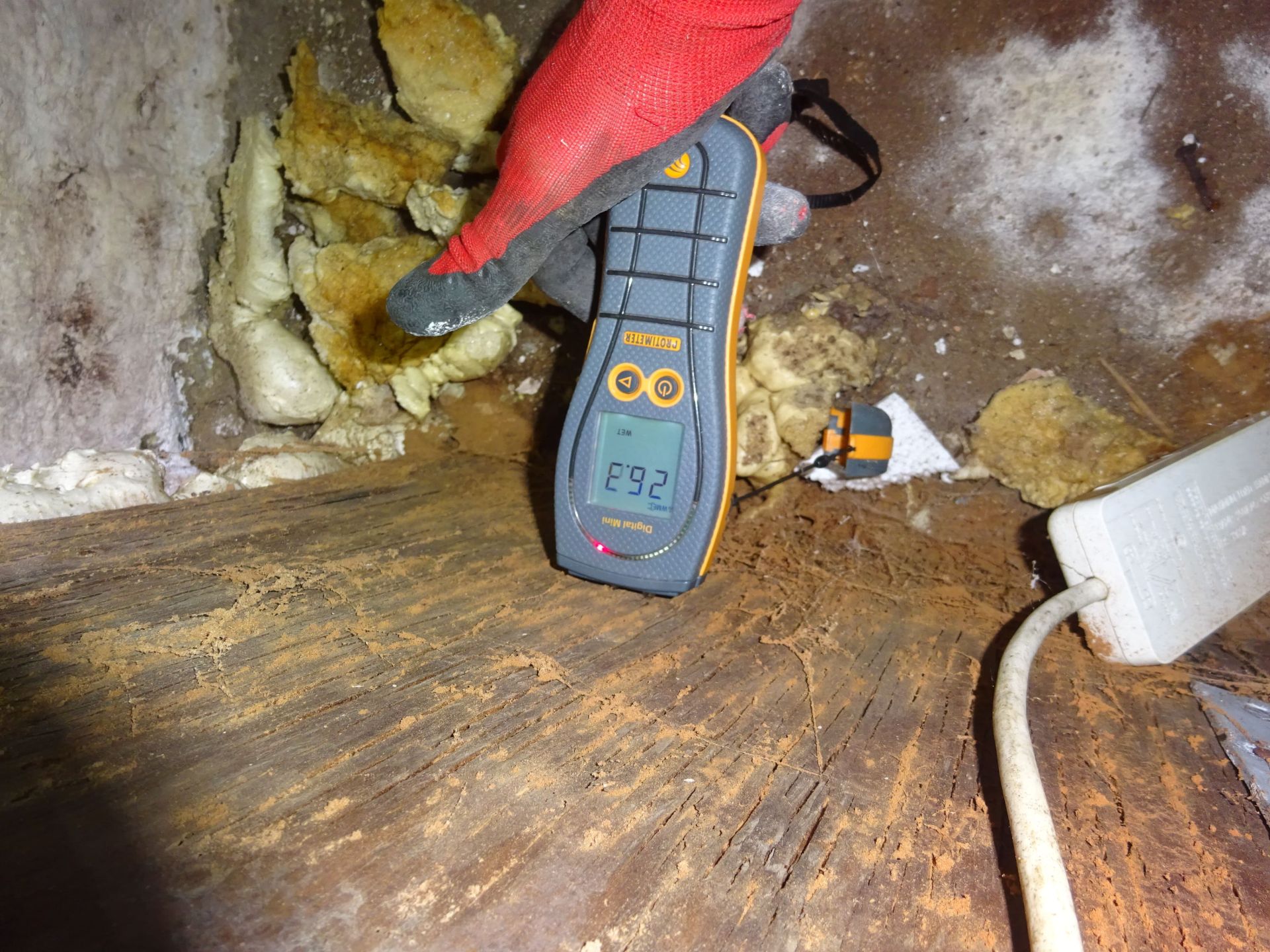
A comprehensive condition survey was undertaken to assess the overall state of repair of the building fabric. Whilst the property was generally in reasonable condition, a number of maintenance-related defects were identified which, if left unaddressed, had the potential to contribute to ongoing deterioration of the historic fabric.
The assessment of a traditional listed building required consideration of historic structural movement, which is commonly present within buildings of this age and construction. Particular attention was given to identifying whether observed movement was historic or ongoing, and the implications this had for future risk and intervention.
Issues were identified in relation to lintel movement, previous repair interventions, and drainage performance associated with underground mains water services. These factors were considered in developing a structured maintenance strategy.
The PPM programme incorporated condition ratings, risk factors, disruption implications, and budget costings, together with recommended timescales for intervention over the 10-year period.
OUTCOME
A detailed condition report and 10-year planned maintenance programme were produced, providing a structured framework for future asset management and expenditure planning.
The report enabled the client to understand the timing, cost, and risk profile of required maintenance works, supporting informed financial planning and reducing the likelihood of reactive and higher-cost interventions.
The programme provided a clear prioritisation strategy for maintenance works, helping to preserve the condition and long-term performance of the listed building envelope.