
Converted Farm Buildings – Condensation and Moisture Risk Assessment
Condensation and water ingress investigation assessing moisture-related defects affecting two converted farm cottages.
Location:
Bodmin, Cornwall
Sector:
Client:
Private client
Role:
Condensation Risk Assessment,Defect Investigation and Reporting
Value:
£80,000
CLIENT BRIEF
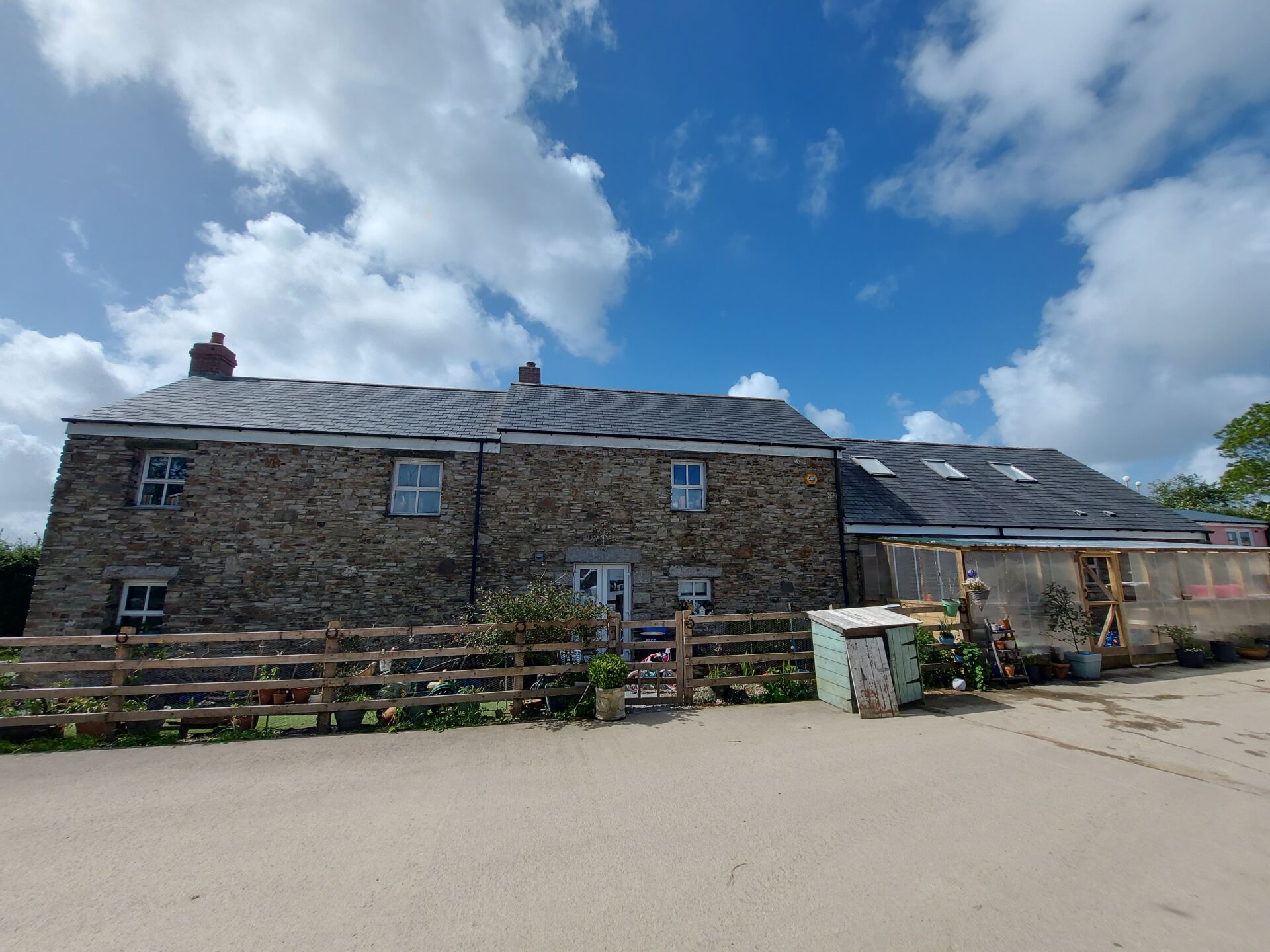
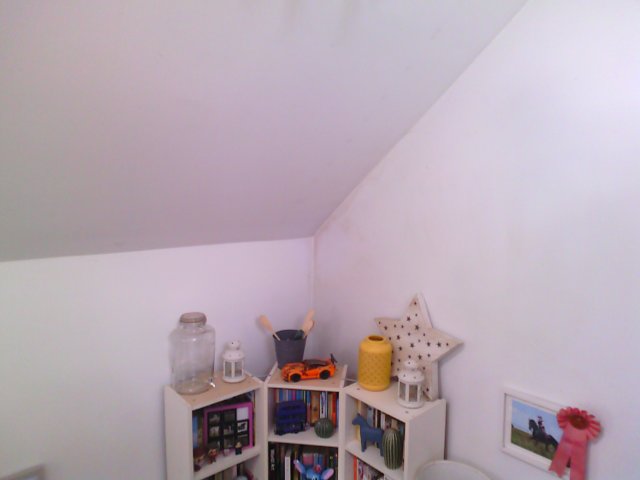
RTP Surveyors were instructed to investigate reported condensation and water ingress issues affecting two leasehold cottages formed through the conversion of former farm buildings in Bodmin. The commission required a detailed inspection to determine whether the observed internal moisture was attributable to condensation or external water penetration.
KEY CONSIDERATIONS
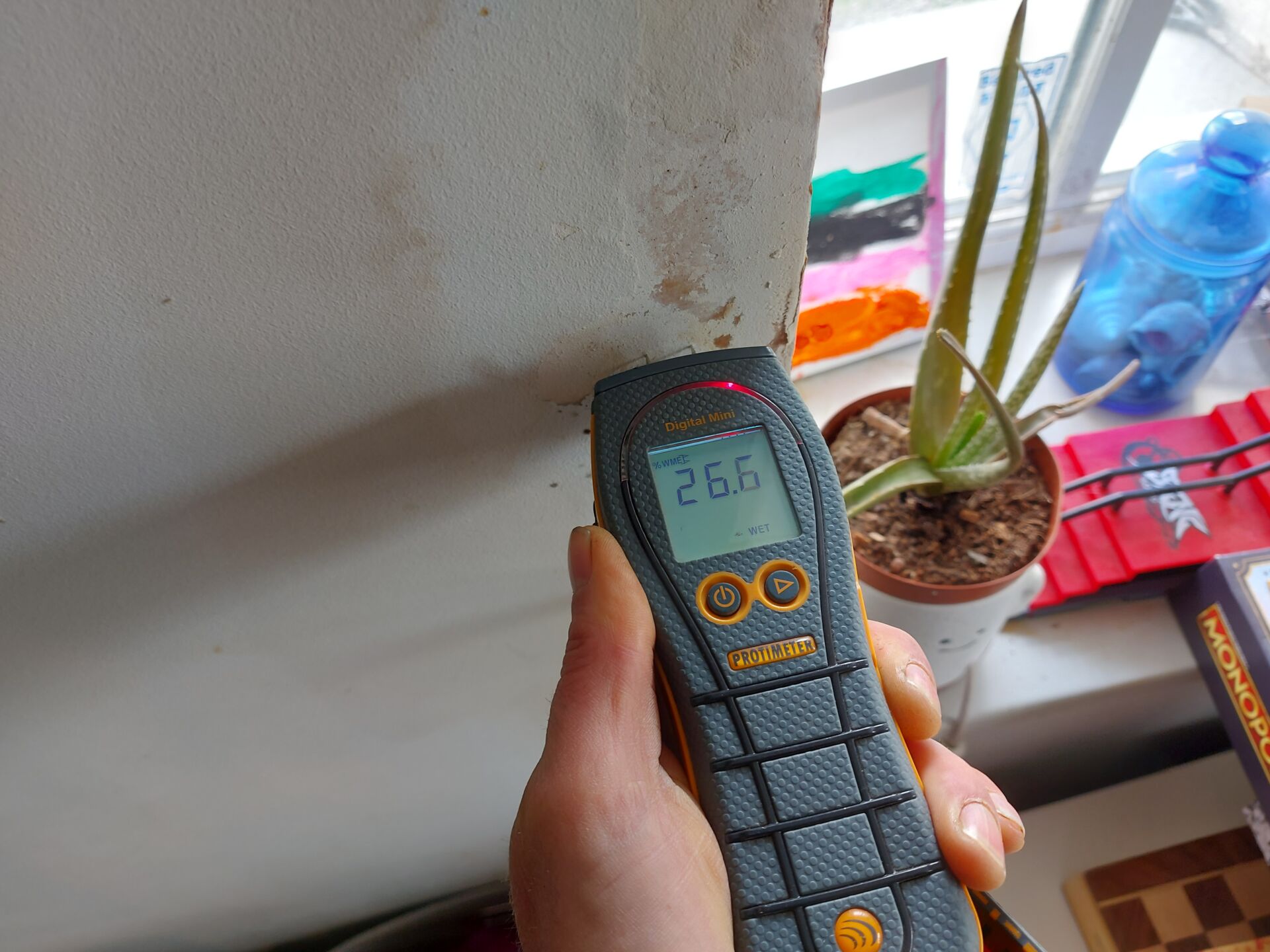
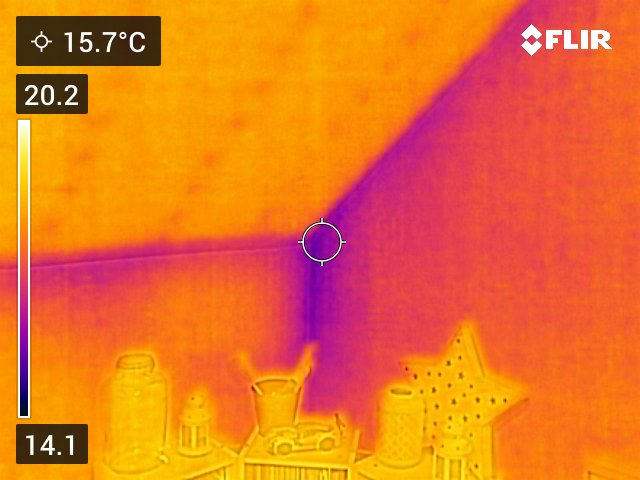
A detailed condition survey was undertaken using a combination of inspection techniques, including hygrometer readings, thermographic imaging, and drone survey work to assess external building fabric. This approach was used to establish moisture patterns and identify potential causative factors.
The investigation identified multiple contributing defects affecting the performance of the building envelope. Cementitious materials had been applied internally and externally, restricting the ability of the original solid stone walls to respond naturally to seasonal moisture and temperature variations.
Additional issues included insufficient threshold and abutment detailing, blocked drainage channels, inadequate mechanical extract ventilation, and thermal bridging at key junctions. These factors collectively contributed to elevated internal moisture levels and condensation risk.
The assessment required consideration of both building fabric performance and ventilation strategy to understand the interaction of defects contributing to the reported issues.
OUTCOME
The investigation confirmed that internal moisture issues were the result of a combination of condensation-related factors and building fabric defects rather than a single point of failure.
A detailed report was issued identifying the principal causes of damp and condensation, supported by photographic and diagnostic evidence.
The findings provided a clear technical basis for future remedial works, including improvements to ventilation, drainage, thermal detailing, and reconsideration of impermeable finishes applied to the original stone construction.